 Español
 العربية
 Francés
 Русский
 Português
 Deutsch
 Italiano
 Türk dili
 Język polski
 Bahasa Malay
 ภาษาไทย
 Tiếng Việt
 Nederlandse taal
 Ελληνικά
 Svenska
 हिंदीName
 Indonesia
 Magyar
 Română


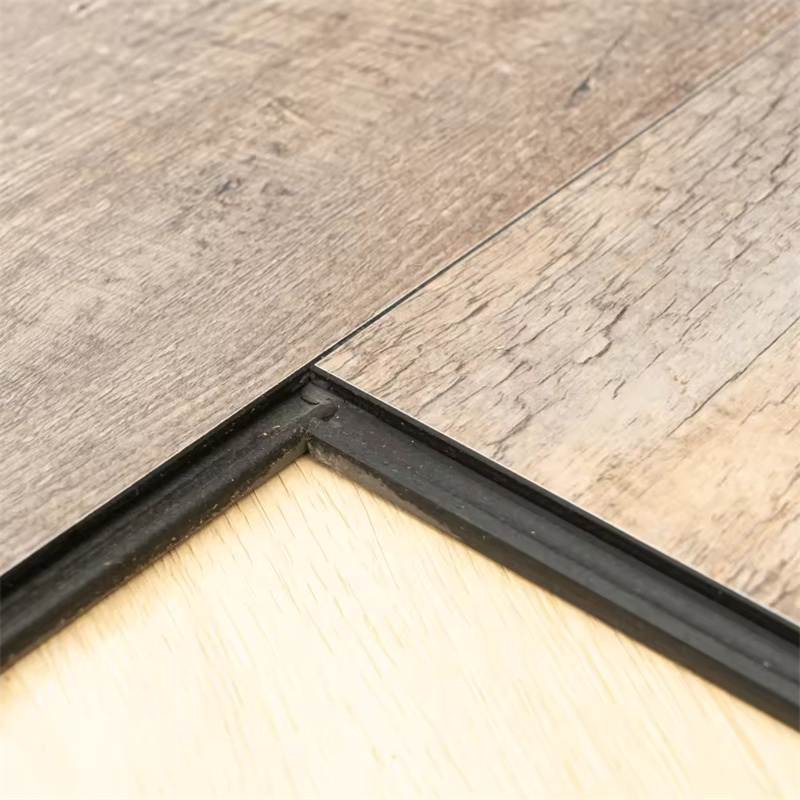


Moisture Resistant Laminate Flooring
Moisture resistant laminate flooring is prized for its cost-effectiveness, stylish appearance, and resiliency, making it a top choice for homeowners who prioritize style and price when choosing flooring. Its versatility, simplified installation process, and ability to replicate the authentic look of a variety of materials have greatly increased its prominence in contemporary interior design aesthetics.
Moisture resistant laminate flooring is a technologically enhanced version of traditional laminate that provides greater protection against moisture intrusion, swelling, and warping. Designed for use in areas prone to humidity and occasional water exposure—such as kitchens, entryways, and commercial environments—this flooring type combines aesthetic appeal with functional durability.
This SEO-optimized technical article presents an in-depth exploration of material composition, water-resistant technologies, mechanical performance, engineering mechanisms, regulatory compliance, and installation guidelines for moisture resistant laminate flooring. It is written for architects, flooring contractors, builders, and property managers seeking a flooring solution that balances water tolerance with industry performance expectations.
What Is Moisture Resistant Laminate Flooring?
Moisture resistant laminate flooring is a multi-layer synthetic flooring system engineered with water-repellent coatings, sealed edges, and a high-density core, which reduce the rate and impact of moisture absorption. While not fully waterproof, it offers significantly higher resistance to spills, humidity, and damp conditions compared to standard laminate.
Core Components
| Layer | Description |
|---|---|
| Wear Layer | Transparent melamine resin infused with aluminum oxide for abrasion & UV resistance |
| Decor Layer | High-resolution printed image (e.g., oak, walnut, stone) |
| Core Layer | Moisture-resistant High-Density Fiberboard (MR-HDF), waxed and sealed |
| Backing Layer | Melamine stabilizing layer to maintain structural balance |
Engineering Note: Moisture resistance is achieved through hydrophobic chemical treatments, tight locking systems, and paraffin edge waxing that prevent water ingress at the joints.
Moisture Resistance vs. Waterproof Flooring
| Feature | Moisture Resistant Laminate | Waterproof Laminate / SPC |
|---|---|---|
| Core Material | MR-HDF or treated MDF | SPC (Stone Plastic Composite) |
| Water Tolerance | 24–72 hours (depending on grade) | 100% waterproof |
| Application Areas | Kitchens, hallways, entryways | Bathrooms, laundry rooms |
| Surface Protection | Water-repellent melamine layer | Impermeable vinyl or SPC layer |
| Cost | Moderate | Higher |
Technical Specifications
| Property | Specification / Test Standard |
|---|---|
| Thickness | Typically 8mm to 12mm |
| Core Density | 850–900 kg/m³ (MR-HDF) |
| Water Swell Rate (EN 13329 Annex G) | ≤18% (standard), ≤10% (high moisture-resistant) |
| Abrasion Class | AC3 – AC5 (EN 13329) |
| Fire Classification (EN 13501-1) | Cfl-s1 (standard) |
| Formaldehyde Emissions | E1 / CARB II / TSCA Title VI compliant |
| Slip Resistance (EN 13893) | Class DS (≥0.3 coefficient of friction) |
| Swelling Time Resistance | 24–72 hours (based on product) |
Engineering and Material Science Behind Moisture Resistance
1. Moisture-Resistant Core (MR-HDF)
Specially engineered HDF board treated with hydrophobic additives during production
Lower porosity and improved dimensional stability under high humidity
2. Edge Sealing
Wax or resin is applied to click-lock joints to prevent capillary water absorption
Essential in reducing edge swelling, the most vulnerable point in laminate flooring
3. Surface Sealing
Melamine wear layer is enhanced with water-repellent coatings
Some products use multi-layer lacquer finishes to improve splash resistance
4. Tight Locking Systems
Click-lock systems (e.g., Uniclic, Valinge) designed to minimize joint spacing
Enhances moisture barrier effect by reducing water pathways
Industry Standards and Compliance
International Product Standards
EN 13329: Defines laminate flooring performance, including moisture resistance
EN 13501-1: Fire classification of building products (Cfl-s1 for most MR laminates)
ASTM D1037: Standard test for water swelling and thickness changes in composite panels
ISO 16000-9: Indoor air emissions testing
Emissions and Safety
E1 (EU Standard): Formaldehyde emission ≤0.124 mg/m³
CARB Phase II & TSCA VI (USA): Strict limits on formaldehyde in composite wood
GREENGUARD / FloorScore®: Optional indoor air quality certifications
Applications and Use Cases
| Environment | Moisture-Resistant Benefit |
|---|---|
| Residential Kitchens | Resists spills, mopping, and steam from cooking |
| Entryways & Mudrooms | Handles wet shoes and umbrellas |
| Commercial Offices | Improved durability against cleaning and humidity |
| Retail Spaces | Combats foot traffic and occasional water exposure |
| Basement Areas | Tolerates moderate ground moisture |
Installation Best Practices
Subfloor Requirements
Level (max 2mm variation over 2m), clean, and dry
Vapor barrier underlayment required if installed over concrete or below grade
Acclimate flooring 48 hours prior at 18–25°C and 40–60% RH
Installation System
Floating floor using click-lock technology
Leave 8–12mm expansion gaps around walls and fixed furniture
Apply edge sealant for enhanced resistance (optional but recommended)
Do not wet mop during or within 48 hours after installation
Maintenance and Lifespan
Do:
Clean with a damp (not wet) microfiber mop
Wipe spills immediately to prevent seepage
Use rugs in high-moisture zones (e.g., in front of sinks)
Don’t:
Use steam mops or wax polish
Allow standing water to sit on joints
Use abrasive cleaners or scouring pads
Typical Service Life:
Residential: 15–25 years
Commercial: 10–15 years, depending on traffic and maintenance
Frequently Asked Questions (FAQs)
Q1: Is moisture resistant laminate flooring waterproof?
A: No. It is water-tolerant, not waterproof. It can handle spills and mopping for a defined period (e.g., 24–72 hours), but prolonged exposure can cause damage.
Q2: Can it be installed in bathrooms?
A: Generally not recommended unless the product is explicitly rated for bathroom use. Use 100% waterproof alternatives like SPC or vinyl plank in wet rooms.
Q3: What’s the difference between MR-HDF and standard HDF?
A: MR-HDF is manufactured with hydrophobic resins and reduced porosity, offering superior dimensional stability and water resistance.
Q4: How do I know if my laminate is moisture resistant?
A: Look for product labels like “Water Resistant,” “Moisture Shield,” or “Aqua+” and verify third-party test results like EN 13329 swelling tests or ASTM D1037.
Q5: Does it require special underlayment?
A: Yes. Use a moisture barrier underlayment, especially over concrete or subfloors with a risk of vapor emission.


Submitted successfully
We will contact you as soon as possible