 Español
 العربية
 Francés
 Русский
 Português
 Deutsch
 Italiano
 Türk dili
 Język polski
 Bahasa Malay
 ภาษาไทย
 Tiếng Việt
 Nederlandse taal
 Ελληνικά
 Svenska
 हिंदीName
 Indonesia
 Magyar
 Română
How Chinese HDF Laminate Flooring Meets Green Specs Without Going Soft
Buyers should never have to compromise between healthier interiors and flooring that can survive the rigors of real-world traffic. When HDF laminate flooring is properly engineered and specified layer by layer, it delivers the low emissions, tight locking joints, and commercial-grade wear resistance that modern projects demand—all while maintaining the warm, authentic wood aesthetic that end-users love. Below is a practical, buyer-friendly framework to evaluate and specify HDF laminate flooring from a China HDF laminate factory, moving beyond vague marketing claims to verifiable performance metrics.

The Four-Layer Build That Makes HDF Laminate Flooring Perform
Understanding the construction of laminate flooring is the first step in distinguishing premium products from budget alternatives. Quality HDF laminate flooring is not just a single board but a sophisticated four-layer system designed to behave as one stable, unified structure. Each layer plays a critical role in the floor's longevity and visual appeal.

1. The Wear Layer: Your First Line of Defense
At the very top sits the wear layer, a transparent melamine coating often reinforced with aluminum oxide particles. This layer is responsible for the floor's scratch resistance, UV stability, and impact protection. For high-traffic commercial jobs or busy family homes, buyers typically target an AC4 or AC5 rating under the EN 13329 standard. A high-quality wear layer ensures that the floor maintains its clarity and integrity even after years of foot traffic, pet claws, and moving furniture. Abrasion performance is commonly referenced in technical data sheets as Taber ≥4000 to ≥6000 cycles.
2. The Decor Layer: Hyper-Realistic Visuals
Directly beneath the wear layer is the PVC-free decorative paper that provides the visual identity of the floor. Thanks to modern high-definition printing and EIR (Embossed-in-Register) technology, HDF laminate flooring can now mimic the texture and grain of natural oak, walnut, or stone with startling accuracy. Whether the finish is matte, satin, or high-gloss, this layer ensures the flooring contributes to the aesthetic value of the interior design without the maintenance issues of real wood.
3. The HDF Core: The Engine Room of Stability
This is the most critical component for structural integrity. The High-Density Fiberboard (HDF) core provides the floor with its impact strength and dimensional stability. It also strongly influences the product's VOC (Volatile Organic Compound) behavior. Many export specifications now prioritize a core density of ≥880 kg/m³. A denser core means a stronger click-lock mechanism, significantly reducing the risk of joint failure or gaps opening up over time. It also enhances the floor's resistance to indentation from heavy furniture.
4. The Balancing Back Layer
Often overlooked, the melamine backing layer on the underside of the plank is essential for structural balance. It counteracts the tension from the top layers, keeping each plank perfectly flat and preventing "cupping" or bowing when exposed to changes in humidity and temperature.
When comparing a Laminate Flooring Chinese Factory shortlist, we recommend asking for cross-section samples and high-resolution close-up photos. This allows you to verify layer thickness, the precision of the edge profile, and the quality of the core material yourself.
Emissions and Compliance: Standards Buyers Actually Use
For commercial developers and residential buyers alike, indoor air quality has shifted from a "nice-to-have" to a baseline requirement. With composite wood products like HDF laminate flooring, the practical way to control risk and ensure safety is to specify measurable emission classes and request matching laboratory reports.
Common Benchmarks Used in Export Documentation
- E1 Formaldehyde: The standard European requirement, capped at ≤0.124 mg/m³ (EN 717-1). This is generally considered safe for residential use.
- E0 Formaldehyde: Indicates emissions significantly lower than E1. This specification is often used for premium residential programs, schools, and healthcare facilities where air quality is paramount.
- FloorScore®: A widely recognized certification in North America for finished flooring, verifying low VOC emissions for safer indoor environments.
- CARB Phase 2 / TSCA Title VI: Frequently referenced for composite wood cores, this is a strict regulatory standard required for products sold in the United States, ensuring formaldehyde emissions are kept to absolute minimums.
What this means in plain terms: if your project requires low-emission interiors, you should treat E0/E1 and FloorScore® as non-negotiable check items for HDF laminate flooring. Treat vague "eco-friendly" marketing claims as incomplete unless they are backed by valid certificates and current test reports from accredited laboratories.
Physical Performance That Feels Closer to Hardwood
The "hardwood-like" experience that end-users desire is usually the result of three technical variables working in harmony: plank thickness, core density, and the wear layer class.
Thickness and Sound Absorption
- 8mm: Common for value-focused residential projects or light commercial use. It offers a cost-effective solution without sacrificing too much durability.
- 10–12mm: The preferred choice for premium applications. Thicker planks offer significantly more underfoot comfort, improved acoustic insulation (less "click-clack" noise), and a better sense of solidity that rivals real timber.
Density and Locking Strength
High-density cores (commonly specified as ≥880 kg/m³) are crucial for performance. A high-density core ensures that the intricate click-lock systems (like Valinge or Unilin) are cut with precision and maintain their grip strength. This reduces the likelihood of swelling and edge damage under repeated footfall and cleaning.
Abrasion Class and Project Fit
- AC3: Suitable for moderate residential use (bedrooms, guest rooms).
- AC4: The gold standard for general commercial areas and high-traffic homes (living rooms, hallways, small offices).
- AC5: Designed for heavy commercial zones (department stores, public buildings, busy offices).
For many buyers, the "sweet spot" specification for HDF laminate flooring in mixed-use projects is 10mm thickness, AC4 wear rating, E1 emissions (or E0 where required), and a verified water-swelling target.
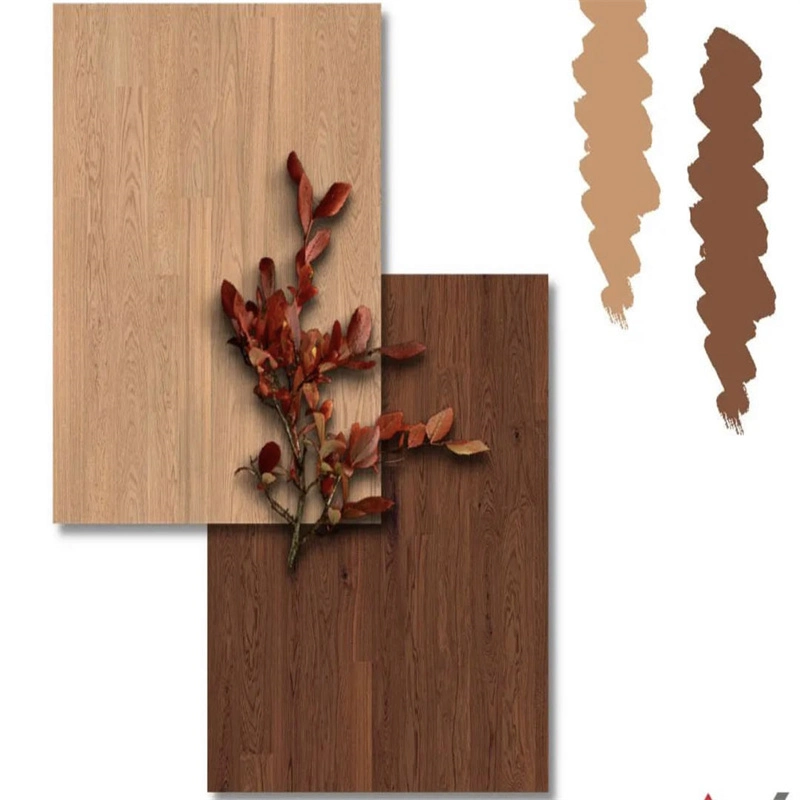
Water Resistance Is Mostly About Edges, Joints, and Swelling Rate
Even when buyers search for "waterproof" flooring, it helps to translate that term into measurable construction details. While traditional laminate is wood-based, modern engineering has significantly improved its moisture resistance.
Key Water Resistance Metrics:
- Water Expansion Rate: A commonly used benchmark for high-quality HDF is a thickness swelling rate of <18% (standard) or <2.5% (premium water-resistant) after submersion tests.
- Edge Treatment: Waxed edges or specialized hydrophobic sealants applied to the profiling reduce the chance of water seeping into the seams during spills.
- Click Systems: Tight, precision-engineered locks help prevent gaps where water could penetrate. Buyers may see options like single click, double click, arc click, Valinge, or Unilin systems.
These features are why modern HDF laminate flooring is often chosen for kitchens, hallways, dining areas, living rooms, and home offices—providing a durable surface that handles spills well, provided they are cleaned up reasonably quickly.

If you are evaluating Waterproof Laminate Flooring Chinese suppliers, ask them to explicitly declare the swelling rate in their technical data, confirm the type of edge sealing used, and state the recommended cleaning methods (especially regarding the use of steam mops).
A Spec Sheet You Can Send to a Laminate Flooring Chinese Factory
To streamline your sourcing process, use this table as a baseline requirement when communicating with suppliers. It defines performance outcomes instead of leaving room for interpretation.
| Item | Residential / Light Commercial | Retail / Office / Hospitality |
|---|---|---|
| Product | HDF Laminate Flooring | HDF Laminate Flooring |
| Thickness | 8–10mm | 10–12mm |
| Wear Class | AC3–AC4 | AC4–AC5 |
| Core Density | Target high stability (≥850 kg/m³) | Prefer HDF ≥880 kg/m³ |
| Emissions | E1 (or E0) | E1/E0 + FloorScore® where specified |
| Moisture Control | Swelling <18% | Swelling <2.5% + sealed/waxed edges |
| Click System | Unilin / Valinge / Double Click | Unilin / Valinge (High tension) |
This structure keeps HDF laminate flooring purchasing simple and transparent. You are defining the exact quality you expect, making it easier to compare quotes "apples to apples."
Quality Assurance Checks That Reduce Costly Surprises
Before you confirm bulk production, it is vital to institute a rigorous quality assurance process. Do not rely solely on the golden sample; ensure the mass production matches the approved specs.
Request the Following Before Production:
- A complete technical data sheet for the exact SKU (confirming thickness, AC class, surface finish, edge type, and click system).
- Formaldehyde/VOC documentation for the finished HDF laminate flooring line (testing the whole plank, not just the core board).
- Water-swelling test data targeting the specific percentage required for your project (e.g., <2.5% for premium lines).
- Optional project-driven ratings where relevant, such as Bfl-s1 fire resistance (EN 13501-1) and slip resistance ranges such as R9–R11 (DIN 51130) or DS (EN 13893).
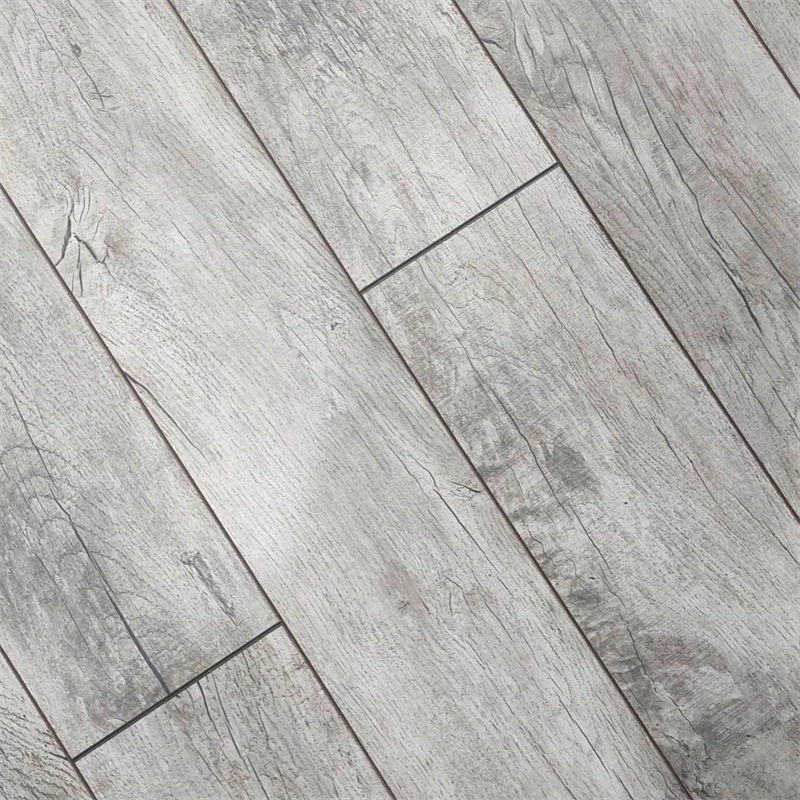
Request Samples and Match the Right Category Faster
Building a successful flooring catalog often involves offering options across multiple price tiers. Most astute buyers start with three dependable anchors: 8mm for value-driven projects, 10mm as the versatile mid-range solution, and 12mm for premium comfort and perceived solidity. From there, you can expand into specialty looks like parquet or herringbone designs while maintaining the same robust HDF laminate flooring performance backbone.
We invite you to browse the diverse categories in our Products section to find the perfect match for your market. Once you have identified potential specifications, request physical boards and full documentation via GET FREE SAMPLE.
When you evaluate HDF laminate flooring with clear specs, valid certificates, and real planks in hand, it becomes much easier to choose reliable Laminate Flooring Chinese suppliers—and avoid the trade-off between clean indoor air and commercial-ready durability.
References
- European Producers of Laminate Flooring. (n.d.). Laminate flooring and standards overview.
- EN 13329. (n.d.). Laminate floor coverings—Specifications, requirements and test methods.
- EN 717-1. (n.d.). Wood-based panels—Formaldehyde emission by the chamber method.
- SCS Global Services. (n.d.). FloorScore® indoor air quality certification program.
- California Air Resources Board. (n.d.). Composite wood products ATCM (CARB Phase 2).


