 Español
 العربية
 Francés
 Русский
 Português
 Deutsch
 Italiano
 Türk dili
 Język polski
 Bahasa Malay
 ภาษาไทย
 Tiếng Việt
 Nederlandse taal
 Ελληνικά
 Svenska
 हिंदीName
 Indonesia
 Magyar
 Română

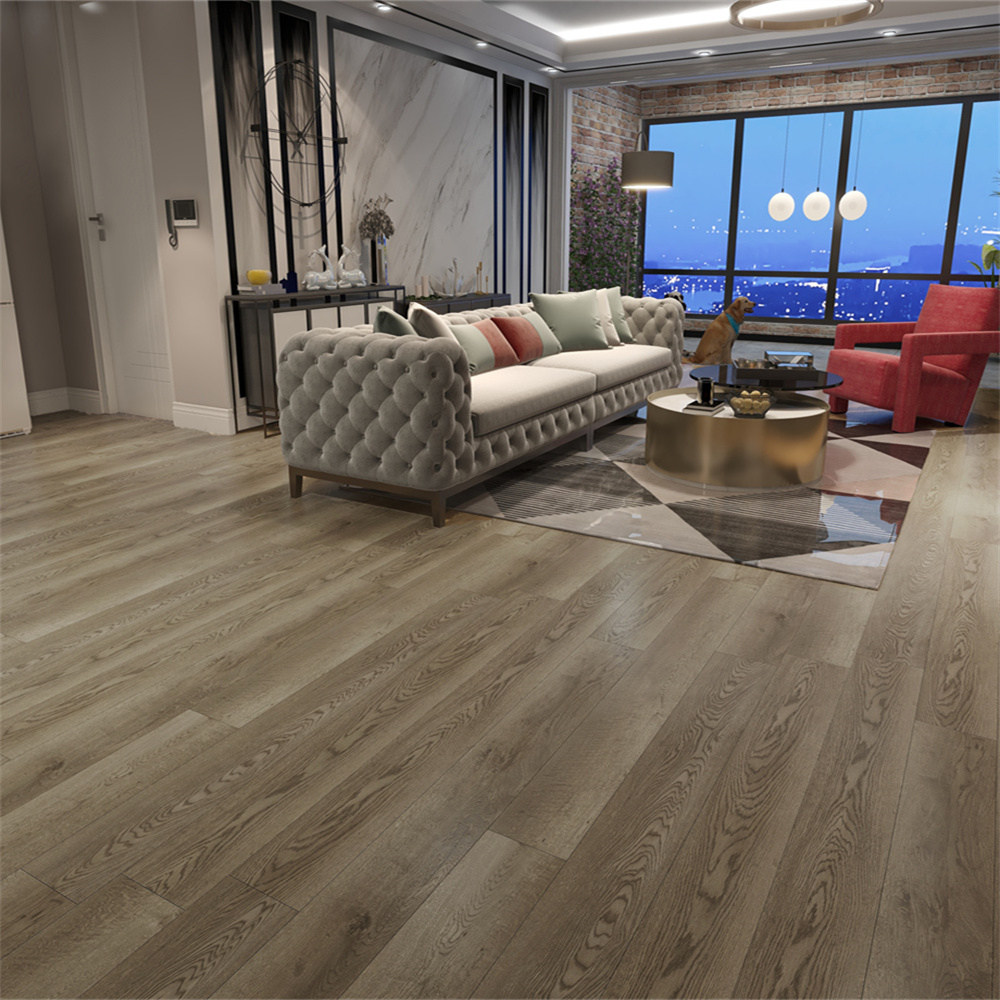

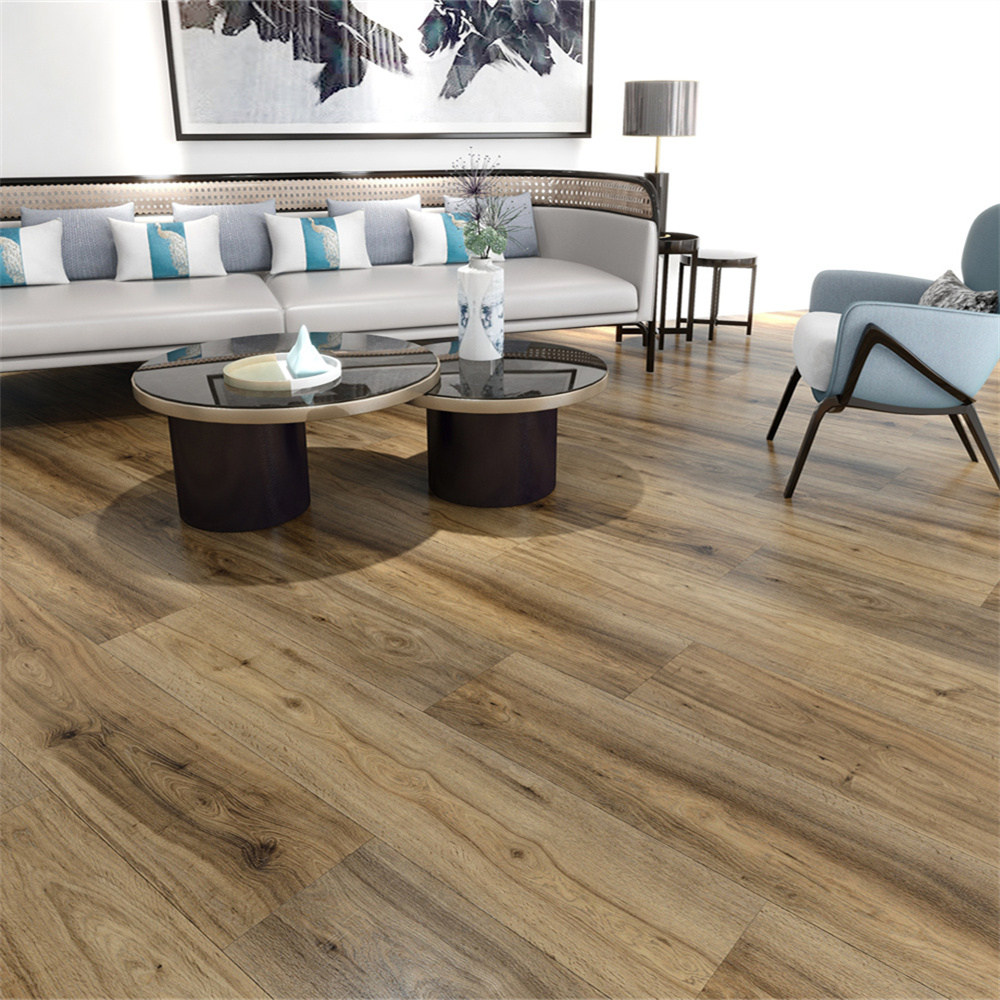
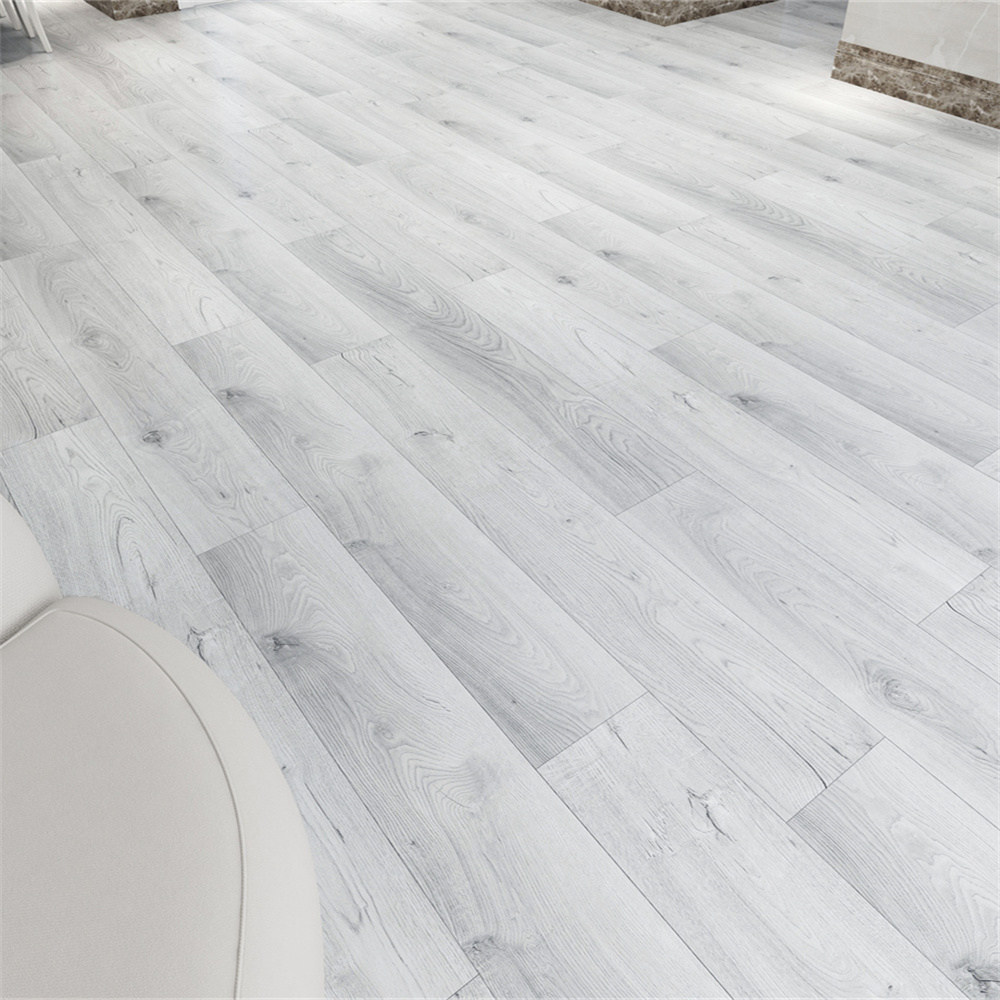


Wood Veneer SPC Flooring
Vinyl SPC flooring’s unique composition gives it an unparalleled blend of strength, durability, and aesthetic appeal. Available in an array of designs and styles such as tile, plank and herringbone, it’s a perfect choice for homeowners seeking an affordable, yet classy flooring solution. Additionally, the advanced engineering behind SPC flooring also results in a product that is eco-friendly. The manufacturing process utilises recycled materials and creates less waste, contributing to a smaller environmental footprint. Such eco credentials puts SPC flooring in its own league against its alternatives.
Elevate Your Home with Wood Veneer SPC Flooring
Elevate your home with Wood Veneer SPC Flooring. This innovative flooring option combines the natural beauty of real wood veneer with the durability of stone plastic composite (SPC), offering a stunning, practical solution for modern living spaces. With a reinforced core and authentic wood visuals, Wood Veneer SPC Flooring resists dents, scratches, and moisture, ensuring long‑lasting performance in high‑traffic areas.
Installation is a breeze thanks to the click‑lock system of Wood Veneer SPC Flooring, allowing DIY enthusiasts and professionals alike to achieve seamless results. The rigid core construction minimizes subfloor imperfections, so you enjoy a smooth, level surface from day one. Because Wood Veneer SPC Flooring requires minimal maintenance—simple sweeping and occasional damp mopping—it’s ideal for busy households and commercial spaces alike.
Available in a variety of species and finishes, Wood Veneer SPC Flooring brings warmth and elegance to any room. The ultra‑thin wood layer provides an authentic feel underfoot without sacrificing stability. Each plank features a waterproof core, making Wood Veneer SPC Flooring suitable for kitchens, bathrooms, and basements where traditional hardwood might fail.
Choose Wood Veneer SPC Flooring for a sustainable, eco‑friendly option that uses less wood while delivering all the aesthetic appeal of hardwood. Its underlayment compatibility also enhances sound absorption and comfort. Transform your floors with Wood Veneer SPC Flooring—where performance meets timeless style.


Wood veneer SPC (Stone Plastic Composite) flooring represents a significant evolution in engineered flooring solutions. By combining the natural aesthetics of real wood veneer with the durability and waterproof characteristics of SPC core, this type of flooring addresses the growing market demand for high-performance, eco-conscious, and visually appealing surfaces.
This article explores the technical composition, installation principles, regulatory standards, and key considerations when choosing or specifying wood veneer SPC flooring for residential or commercial environments.
What is Wood Veneer SPC Flooring?
Wood veneer SPC flooring is a hybrid material that consists of four primary layers:
Natural Wood Veneer Layer – Thin slices of real hardwood (typically 0.5–1.2 mm thick), providing a genuine wood surface.
Wear Layer – A transparent protective layer that enhances scratch resistance and wear performance.
SPC Core Layer – A rigid composite made from limestone powder, polyvinyl chloride (PVC), and stabilizers, ensuring dimensional stability, waterproofing, and impact resistance.
Underlayment (optional) – Often a pre-attached IXPE or EVA foam backing to improve sound insulation and comfort underfoot.
Engineering Principles Behind SPC Core
SPC’s core structure leverages the high modulus of elasticity (ranging from 2000 to 3000 MPa) of limestone composites, which ensures resistance to deformation under heavy loads. This is crucial in high-traffic areas. The real wood veneer, when properly UV-cured and sealed, maintains its natural grain while resisting warping and moisture penetration.
Moreover, the interlocking click system (often based on Valinge or Unilin patents) allows for floating installations without adhesives, supporting thermal expansion and contraction without joint failure.
Advantages of Wood Veneer SPC Flooring
Real Wood Look & Feel: Unlike standard SPC or LVT, the natural veneer replicates authentic hardwood.
Waterproof Core: The SPC base allows usage in bathrooms, kitchens, and basements where traditional hardwood fails.
Dimensional Stability: With expansion rates under 0.08%, these floors outperform WPC and laminate options in stability.
Sustainable Materials: Many systems comply with FloorScore®, GREENGUARD®, and CARB II certifications, ensuring low VOC emissions.
Scratch & Dent Resistance: High-performance UV coatings provide >10,000 Taber test revolutions.
Regulatory Standards and Material Compliance
Several global and regional standards govern the production and use of wood veneer SPC flooring:
EN 16511: Specifies requirements for modular multilayer floor coverings.
ASTM F3261: U.S. standard performance specification for rigid core flooring.
ISO 9239-1: Fire classification for floorings; SPC often achieves Class Bfl-s1.
CARB Phase II: Ensures formaldehyde emissions are under 0.05 ppm.
CE Certification (EU): Mandates slip resistance, water resistance, and structural durability tests.
Installation Best Practices
Acclimation: Leave flooring in installation room for 48 hours between 18–29°C and 40–70% RH.
Subfloor Requirements:
Moisture content: <5% for concrete, <12% for plywood.
Flatness tolerance: ≤2 mm over 2 meters.
Expansion Gaps: Leave 8–10 mm around perimeters.
Tools Needed: Tapping block, rubber mallet, pull bar, spacers.
Installation can be completed with minimal tools due to the click-lock mechanism. For larger commercial applications, glue-down or hybrid methods may be applied for enhanced durability.
Use Case Scenarios
Residential Renovations – Combine traditional aesthetics with modern water resistance in kitchens and hallways.
Retail & Hospitality – Withstand heavy footfall while maintaining elegance in boutique hotels or showrooms.
Office Spaces – Provide acoustic insulation and ease of maintenance for high-use professional environments.
Common FAQs
Q1: Is wood veneer SPC flooring real wood?
Yes. The top layer is authentic hardwood veneer, though thinner than in engineered hardwood.
Q2: Can it be used with underfloor heating?
Yes, if installed per guidelines. Max surface temperature should not exceed 27°C.
Q3: How does it differ from engineered hardwood?
Engineered hardwood has a thicker veneer and wood-based core, whereas SPC uses a rigid, waterproof core.
Q4: Is maintenance difficult?
No. Use a damp mop and neutral pH cleaner. Avoid standing water or harsh chemicals.
Q5: What’s the lifespan of wood veneer SPC?
With proper care, 15–25 years depending on wear layer thickness and installation conditions.
Safety and Operational Considerations
Fire Resistance: Always confirm the product’s Bfl-s1 rating, especially for commercial/public areas.
Slip Resistance: Ensure compliance with DIN 51130 or ANSI A137.1 standards (R9–R11 preferred).
UV Resistance: Especially important for sunlit areas; look for ≥6 Blue Wool Scale rating.
Conclusion
Wood veneer SPC flooring successfully bridges the gap between the timeless beauty of natural wood and the resilient functionality of rigid core technology. It is an ideal flooring solution for diverse applications demanding performance, sustainability, and authentic design.
Call to Action
If you're seeking a flooring solution that blends elegance, durability, and eco-compliance, wood veneer SPC flooring offers unmatched value. We provide customized options tailored to your project’s performance requirements and aesthetic goals. Contact our technical team for detailed product specifications, sample requests, or compliance certificates.


Submitted successfully
We will contact you as soon as possible